Family owned in Rockland County since 1986Open 7am–7pm, seven days · (845) 671-3798
Request an Estimate
Chimney leak repair

Chimney Leak Repair in Spring Valley, NY

A chimney leak is rarely where the stain is. For chimney leak repair in Spring Valley, we trace the water to the point it gets in, then repair that part of the chimney.

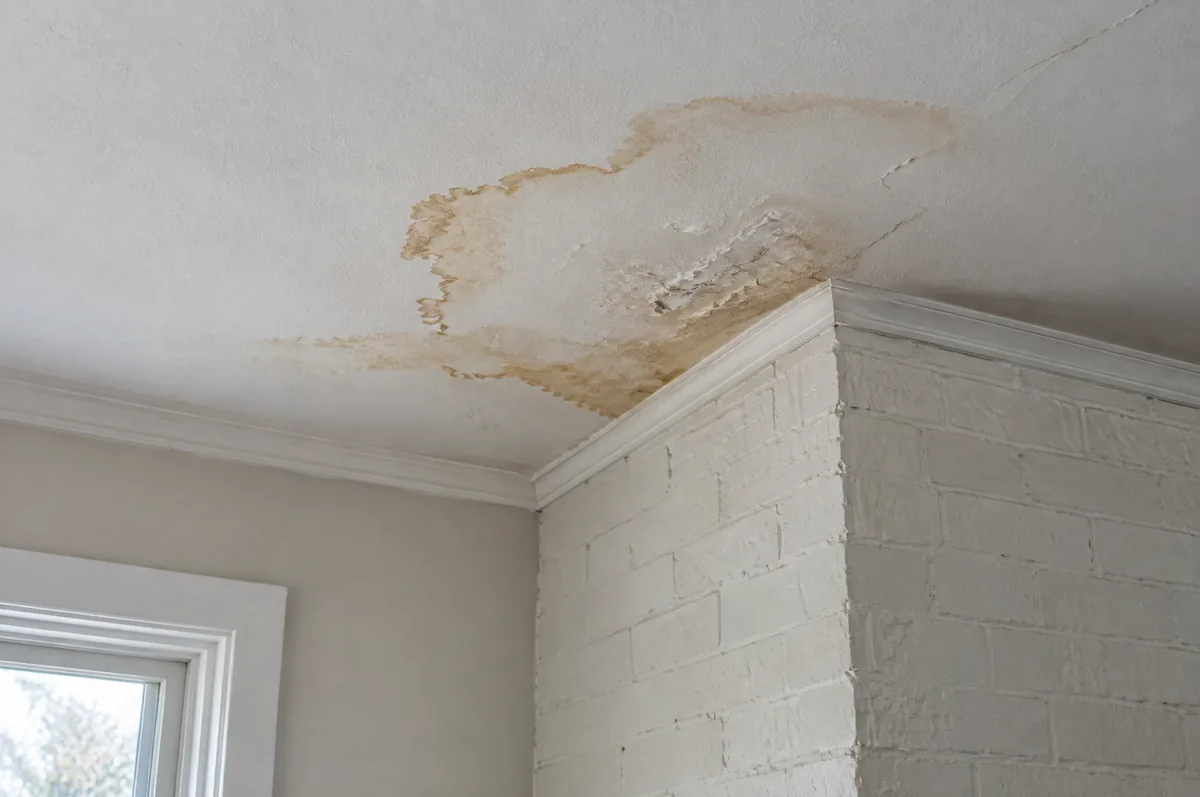
Water stain on a ceiling beside a painted brick chimney breast

Most common cause

Failed flashing or a cracked crown. Both let water in at the top and show up rooms away.

What does not fix it

Roof tar over the flashing and paint-on sealers. They hide the entry point and trap moisture.

Where to start

An inspection of the crown, cap, flashing and brick. A Level 1 inspection is $69.

Why chimney leaks get misdiagnosed

Water travels before it shows. It can enter at the crown, run down the inside of the brick and appear as a stain on a bedroom ceiling ten feet away. Because the stain is near the roof, the roof often gets blamed first.

A chimney has five places water can enter. Each one needs a different repair, so finding the entry point comes before any sealing or patching.

Signs the leak is the chimney

  • Staining on the ceiling or wall beside the chimney
  • Water or rust in the firebox after rain
  • A damp, musty smell from the fireplace in humid weather
  • White salt deposits on the brick, inside or out
  • Leaks that appear only when rain comes from one direction

The five places water gets in

Each has its own repair, and most have their own page.

The crown

The concrete slab on top cracks with age and freeze-thaw cycles. See chimney crown repair.

The flashing

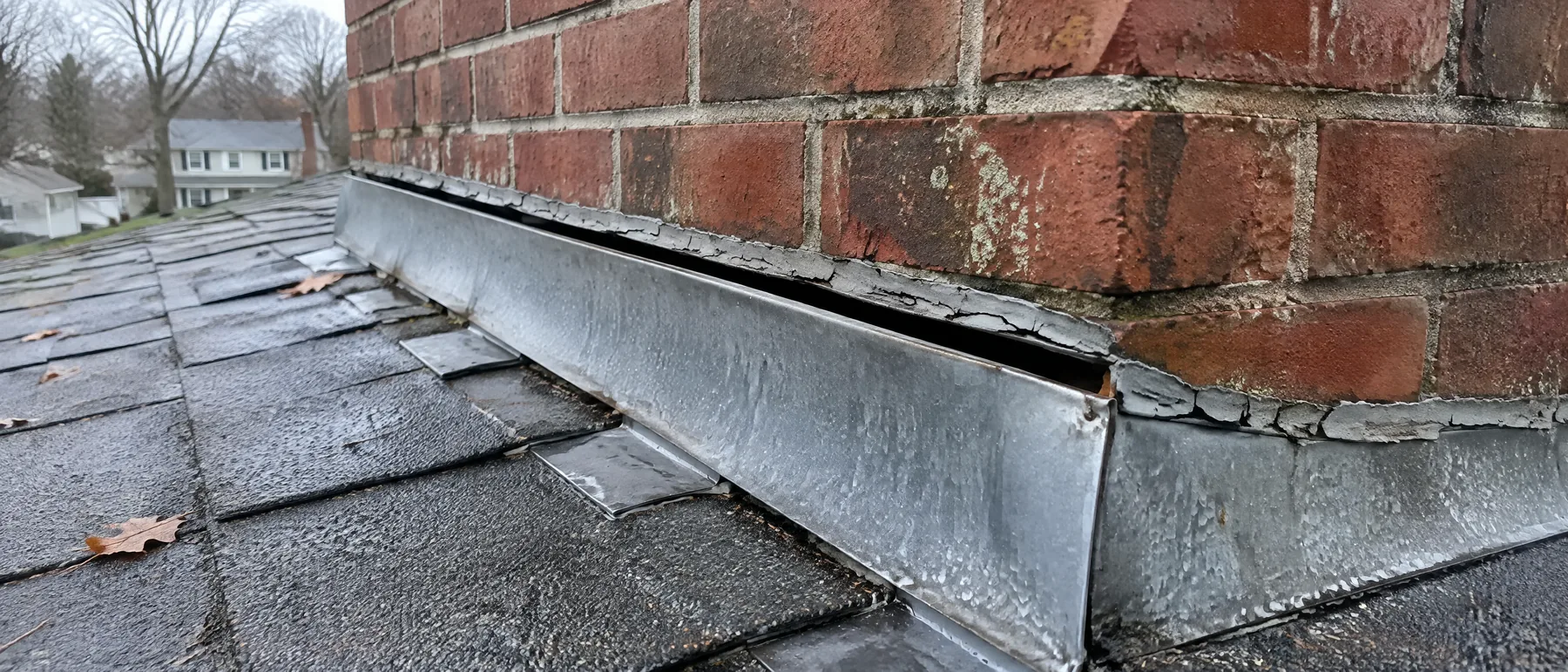
The metal seal at the roofline lifts or its sealant fails. See chimney flashing repair.

Mortar joints and brick

Eroded joints and porous brick absorb driven rain. See chimney masonry repair.

The cap

A missing or rusted cap lets rain fall straight down the flue.

Condensation in the flue

Not rain at all. A damaged or oversized liner lets flue gases condense. See chimney liner repair.

Lifted step flashing where a brick chimney meets an asphalt shingle roof

How a chimney leak is found

The inspection starts at the top and works down. The crown is checked for cracks, the cap for rust and fit, and the flashing for gaps where it meets both the brick and the shingles. Mortar joints are checked for erosion on every face.

Inside, the firebox, smoke chamber and attic framing around the chimney show where the water has been running. When the source is not obvious, a controlled water test on one section at a time isolates it.

Repair options

The repair follows the cause. A hairline crown crack can be sealed with a flexible crown coating, while a broken crown is recast. Flashing is reset or replaced in two layers, step and counter. Open joints are repointed. Sound but porous brick can be treated with a breathable water repellent that lets moisture vapor out.

When water has been getting in for years and the brick above the roofline has failed, the answer may be a chimney rebuild from the roofline up.

What happens if a leak is left

Water in masonry freezes and expands. In Rockland County that happens many times each winter, and every cycle opens the damage further. Left alone, a leak moves from a stain to spalled brick, a rusted damper and firebox, rotted framing and a liner that no longer vents safely.
Chimney leak questions

Is a chimney leak a roofing problem or a chimney problem?

It can be either. Flashing sits where the two meet. An inspection of both the flashing and the masonry tells which trade the repair belongs to.

Can the chimney just be sealed?

Only after the entry point is repaired. A breathable water repellent helps sound brick. A film-forming sealer traps moisture inside the masonry and speeds up the damage.

Why does it leak only in heavy storms?

Heavy or wind-driven rain reaches gaps a light rain does not, and saturated brick eventually lets water through.

Find out where the water is getting in